

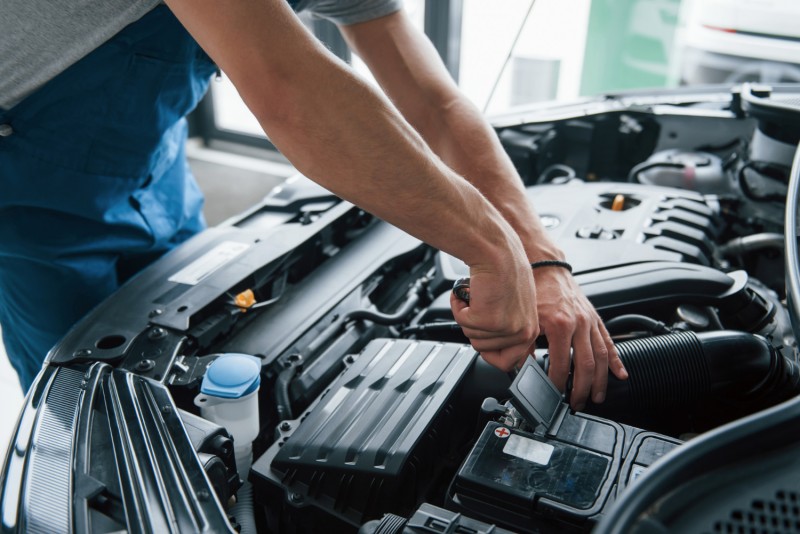
Regular vehicle maintenance isn’t just about keeping your car running smoothly—it directly affects safety, fuel efficiency, and long-term repair costs. Many car owners overlook routine replacement parts until something fails unexpectedly. Staying ahead of wear-and-tear components helps prevent breakdowns and expensive repairs 🚗.
This guide highlights the most common auto parts that require periodic replacement, along with practical signs to watch for and recommended replacement intervals.
Why Regular Replacement of Auto Parts Matters
Replacing aging components at the right time ensures:
- Better fuel economy
- Improved vehicle safety
- Longer engine life
- Reduced chances of sudden roadside failure
- Lower long-term maintenance expenses
Even small parts can have a major impact on overall vehicle performance.
Engine Oil and Oil Filter
Engine oil lubricates moving parts and reduces friction inside the engine. Over time, it collects dirt and loses effectiveness.
When to Replace
- Every 5,000 to 10,000 km (depending on vehicle type and oil quality)
- Oil filter should be replaced along with engine oil
Warning Signs
- Dark or dirty oil
- Engine noise increases
- Reduced fuel efficiency
- Dashboard oil warning light appears
Regular oil changes remain one of the most critical maintenance tasks for engine longevity 🔧.
Air Filters (Engine and Cabin)
Your vehicle uses two primary air filters:
- Engine air filter
- Cabin air filter
Replacement Interval
- Engine air filter: every 12,000 to 15,000 km
- Cabin air filter: every 15,000 to 20,000 km
Signs of Replacement Need
- Reduced acceleration
- Poor fuel economy
- Dust entering the cabin
- Weak air-conditioning airflow
Clean airflow keeps both the engine and passengers comfortable and efficient.
Brake Pads
Brake pads are essential for safe stopping. They wear down gradually due to friction.
Replacement Interval
Usually every 25,000 to 50,000 km, depending on driving habits.
Warning Signs
- Squealing or grinding noise
- Increased stopping distance
- Brake pedal vibration
- Brake warning light
Replacing brake pads on time improves road safety and braking performance 🛑.
Car Battery
A car battery powers the ignition system and electronics. Its performance naturally declines over time.
Replacement Interval
Typically every 3 to 5 years
Warning Signs
- Slow engine crank
- Dim headlights
- Electrical system issues
- Frequent jump-start requirement
Routine battery checks prevent unexpected breakdowns.
Spark Plugs
Spark plugs ignite the fuel-air mixture inside the engine. Faulty plugs affect engine performance significantly.
Replacement Interval
Usually every 30,000 to 100,000 km, depending on plug type.
Warning Signs
- Engine misfiring
- Difficulty starting
- Poor fuel efficiency
- Rough idling
Healthy spark plugs support smoother acceleration and better mileage ⚡.
Tires
Tires directly influence handling, braking, and fuel consumption.
Replacement Interval
Typically every 40,000 to 60,000 km, or sooner depending on road conditions.
Warning Signs
- Reduced tread depth
- Uneven wear patterns
- Cracks on sidewalls
- Frequent air pressure loss
Proper tire maintenance improves traction and driving comfort.
Windshield Wipers
Though small, wiper blades are essential for safe visibility during rain and dust storms.
Replacement Interval
Every 6 to 12 months
Warning Signs
- Streaking on windshield
- Skipping movement
- Squeaking sound
- Reduced wiping efficiency
Fresh wiper blades ensure safer driving during poor weather conditions 🌧️.
Timing Belt
The timing belt synchronizes engine components. Failure can cause serious engine damage.
Replacement Interval
Usually between 60,000 to 100,000 km
Warning Signs
- Ticking noise from engine
- Engine misfires
- Oil leakage near belt area
Timely replacement avoids expensive engine repairs.
Fuel Filter
The fuel filter prevents contaminants from entering the engine.
Replacement Interval
Every 20,000 to 40,000 km
Warning Signs
- Engine hesitation
- Difficulty starting
- Reduced fuel efficiency
- Sudden power loss
A clean fuel filter ensures smoother combustion and improved performance.
Headlights and Tail Lights
Proper lighting ensures visibility and safety for both the driver and other road users.
Replacement Interval
Replace when brightness reduces or bulbs stop functioning.
Warning Signs
- Dim illumination
- Flickering lights
- Burned-out bulbs
Routine inspection helps maintain safe nighttime driving conditions 🌙.
Simple Maintenance Tips to Extend Auto Part Life
You can extend component lifespan by following these habits:
- Maintain proper tire pressure
- Avoid aggressive braking
- Replace fluids regularly
- Keep battery terminals clean
- Schedule periodic servicing
Consistent care prevents premature wear and unexpected repairs.
FAQs About Common Auto Parts Replacement
1. How often should I service my car for routine replacement checks?
Most vehicles benefit from inspection every 6 months or 10,000 km, whichever comes first.
2. Can delaying part replacement damage my vehicle?
Yes. Ignoring worn components can lead to chain-reaction failures affecting multiple systems.
3. Does driving style affect replacement frequency?
Aggressive driving, sudden braking, and frequent short trips can shorten component lifespan significantly.
4. Are genuine replacement parts better than aftermarket parts?
Genuine parts generally offer better compatibility and reliability, though quality aftermarket options can also perform well.
5. Should replacement intervals differ for city and highway driving?
Yes. City driving with heavy traffic usually causes faster wear compared to steady highway driving.
6. Is it safe to replace minor auto parts without professional help?
Simple replacements like wiper blades or air filters are manageable, but brake components and timing belts require trained technicians.
7. How can I track when parts need replacement?
Maintain a vehicle service log and follow manufacturer-recommended maintenance schedules for best results.