

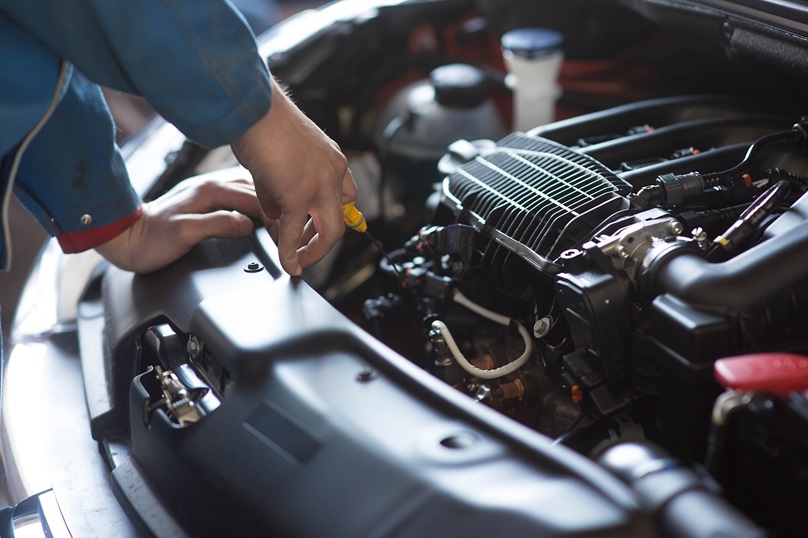
Modern vehicles are built with advanced electronics, precision-engineered components, and tightly integrated safety systems. Because of this complexity, using genuine spare parts is no longer just a recommendation—it is essential for maintaining reliability, performance, and safety.
Choosing authentic components protects your vehicle’s long-term health and helps avoid costly repairs caused by incompatible or low-quality replacements.
What Are Genuine Spare Parts?
Genuine spare parts are components manufactured or approved by the vehicle’s original manufacturer. These parts are designed specifically for a particular model and meet strict engineering standards.
They differ from:
- Aftermarket parts – produced by third-party manufacturers
- Counterfeit parts – illegal copies with poor quality control
- Used parts – recycled components with unknown wear levels
Using manufacturer-approved parts ensures proper fit, durability, and compatibility.
Ensuring Maximum Safety on the Road 🛡️
Safety systems in modern cars depend on precision.
Critical components like:
- Brake systems
- Suspension parts
- Airbag sensors
- Steering assemblies
must function exactly as designed. Genuine spare parts are tested under strict safety conditions, reducing the risk of malfunction during emergency situations.
Low-quality alternatives may compromise braking efficiency or steering response, increasing accident risk.
Maintaining Vehicle Performance
Every vehicle is engineered with tightly matched components. Installing non-standard parts can disrupt performance balance.
Benefits of genuine components include:
- Smooth engine operation
- Accurate sensor readings
- Consistent fuel efficiency
- Stable handling and ride comfort
Even small mismatches in electronic or mechanical parts can affect overall driving experience.
Protecting Advanced Electronic Systems ⚡
Modern vehicles rely heavily on electronic modules and sensors.
Examples include:
- Engine control units
- Parking assistance sensors
- Adaptive headlights
- Transmission controllers
Genuine spare parts communicate correctly with onboard systems. Poor-quality replacements may trigger warning lights or system failures.
This is especially important in vehicles equipped with driver-assistance technology.
Increasing Component Lifespan
Original spare parts are designed using materials that match factory specifications.
This results in:
- Longer service life
- Reduced wear on surrounding components
- Lower maintenance frequency
- Better long-term reliability
Cheap alternatives may initially appear cost-effective but often require earlier replacement.
Preserving Manufacturer Warranty 📄
Many vehicle warranties require the use of approved spare parts.
Installing unauthorized replacements can:
- Void warranty coverage
- Increase repair costs later
- Complicate insurance claims in some cases
Using genuine parts ensures compliance with manufacturer guidelines.
Improving Resale Value
Vehicles with documented service history using authentic components are more attractive to buyers.
Advantages include:
- Higher resale price
- Faster selling time
- Greater buyer confidence
- Verified maintenance reliability
Service records showing genuine parts installation reflect responsible ownership.
Avoiding Hidden Long-Term Costs
Non-genuine parts may seem cheaper initially but can cause indirect expenses such as:
- Premature failure
- Additional labor charges
- Damage to connected systems
- Reduced fuel efficiency
Choosing genuine parts helps prevent repeated repairs and unexpected breakdowns.
Supporting Vehicle Reliability in Indian Driving Conditions 🌡️
Driving environments with heat, dust, traffic congestion, and uneven roads place extra stress on vehicles.
Original spare parts are tested to perform reliably under such conditions, helping maintain:
- Engine cooling efficiency
- Suspension durability
- Brake responsiveness
- Electrical stability
This makes them especially valuable for daily urban and highway driving.
How to Identify Genuine Spare Parts
Before installation, check these indicators:
- Manufacturer branding on packaging
- Correct part number labeling
- Quality seals or holograms
- Authorized service center sourcing
- Proper documentation or invoice details
Verifying authenticity protects both safety and investment.
FAQ: Genuine Spare Parts in Modern Cars
1. Are genuine spare parts always more expensive than aftermarket parts?
Yes, they usually cost more upfront, but they often reduce long-term repair expenses due to better durability and compatibility.
2. Can aftermarket parts ever match genuine parts in quality?
Some premium aftermarket components perform well, but they may still lack manufacturer-level testing and model-specific calibration.
3. Do genuine spare parts improve fuel efficiency?
They help maintain factory-level engine performance, which indirectly supports optimal fuel efficiency.
4. Is it necessary to buy genuine parts for older vehicles?
While not mandatory, genuine parts still provide better fitment reliability and longer lifespan compared to cheaper alternatives.
5. How can counterfeit spare parts affect vehicle safety systems?
They may fail prematurely or send incorrect signals to sensors, potentially affecting braking or airbag performance.
6. Are genuine spare parts available outside authorized service centers?
Yes, many authorized distributors sell them through certified retail outlets.
7. Do genuine spare parts require special installation tools?
Most can be installed using standard professional tools, but trained technicians ensure proper fitting and system compatibility.