

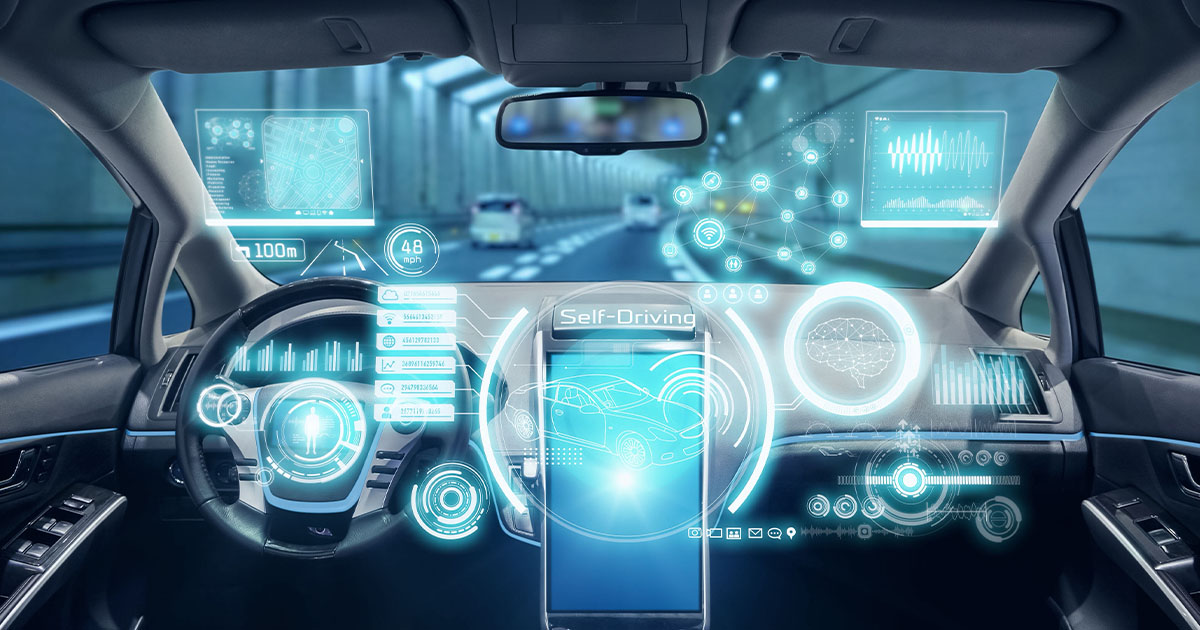
Connected cars are transforming how drivers interact with their vehicles. By integrating internet access, sensors, and onboard communication systems, these vehicles provide real-time data, smarter navigation, enhanced safety, and greater convenience. The result is a more efficient, comfortable, and personalized driving experience.
Modern automotive connectivity is no longer limited to premium segments. Many mid-range vehicles now include smart features that improve everyday usability and driving confidence.
What Is a Connected Car
A connected car is a vehicle equipped with internet-enabled systems that communicate with external networks, mobile devices, infrastructure, and sometimes other vehicles. These systems collect and exchange data to improve safety, navigation accuracy, maintenance planning, and entertainment access.
Typical connectivity features include
- built-in navigation with live traffic updates
- smartphone integration
- remote vehicle monitoring
- over-the-air software updates
- emergency assistance systems
These capabilities help drivers stay informed and in control throughout their journeys.
Real-Time Navigation Improves Route Planning
Traditional navigation systems relied on static map data. Connected vehicles use live traffic inputs to recommend faster and more efficient routes.
Key advantages include
- avoiding traffic congestion automatically
- estimating accurate arrival times
- suggesting alternate routes instantly
- identifying nearby fuel stations and charging points
This reduces travel time and makes long-distance driving more predictable.
Enhanced Safety Through Smart Alerts
Connected technology significantly improves driver awareness and response time during unexpected situations.
Safety-related connectivity features often include
- collision alerts
- blind spot monitoring notifications
- lane departure warnings
- real-time weather updates
- emergency roadside assistance support
Some systems can automatically contact emergency services after detecting a collision, which helps reduce response time during critical situations.
Remote Vehicle Access Adds Everyday Convenience
Remote connectivity allows drivers to control vehicle functions through smartphone applications even when they are away from the vehicle.
Common remote features include
- locking or unlocking doors
- checking fuel level or battery status
- locating parked vehicle position
- switching on climate control before entry
- receiving theft alerts instantly
These functions save time and increase security during daily usage.
Predictive Maintenance Reduces Unexpected Breakdowns
Connected vehicles continuously monitor engine performance and system health. When irregularities are detected, the driver receives alerts before the issue becomes serious.
Benefits of predictive maintenance include
- early warning about battery issues
- reminders for scheduled servicing
- tire pressure monitoring alerts
- engine performance notifications
This reduces repair costs and improves long-term vehicle reliability.
Seamless Smartphone Integration Improves Entertainment Access
Modern drivers expect uninterrupted access to communication and entertainment while traveling. Connected vehicles support this expectation through advanced infotainment systems.
Typical integration features include
- hands-free calling support
- music streaming services
- voice-controlled commands
- message notifications through audio interface
These functions allow drivers to stay connected without compromising road focus.
Vehicle Tracking Improves Security and Monitoring
Connected cars provide location tracking that enhances vehicle protection and recovery in case of theft.
Security-related benefits include
- real-time vehicle tracking
- unauthorized movement alerts
- geo-fencing notifications
- remote engine immobilization in some vehicles
Fleet operators and families also benefit from monitoring driving patterns and vehicle usage remotely.
Over-the-Air Updates Keep Vehicles Technologically Current
Software updates are no longer limited to service centers. Connected vehicles receive updates automatically through wireless networks.
Advantages of over-the-air updates include
- improved navigation accuracy
- performance optimization
- bug fixes in infotainment systems
- introduction of new digital features
This ensures the vehicle remains technologically updated without additional workshop visits.
Connected Cars Support Smarter Electric Vehicle Ownership
Connectivity plays an important role in electric mobility as well.
Drivers can
- monitor charging progress remotely
- locate nearby charging stations
- schedule charging during lower tariff hours
- track battery health status
These features make electric vehicle ownership more convenient and predictable.
Personalized Driving Experience Through Data Insights
Connected systems learn driver preferences over time and adjust settings automatically.
Examples include
- seat position memory
- climate control preferences
- navigation history suggestions
- driving behavior insights
This personalization improves comfort during everyday use.
Frequently Asked Questions
Are connected cars safe from cyber threats
Manufacturers implement multiple security layers such as encrypted communication channels and secure authentication systems to protect vehicle data and access control.
Do connected car features require internet access always
Some features depend on internet connectivity while others continue functioning offline using onboard sensors and stored data.
Can connected car systems increase maintenance costs
Most connectivity features help reduce maintenance expenses by detecting issues early rather than increasing servicing requirements.
Are connected features available in budget vehicles
Many entry-level and mid-range vehicles now include basic connectivity functions such as smartphone integration and remote monitoring support.
Do connected cars consume more battery power
Connectivity systems are designed to operate efficiently and typically have minimal impact on overall vehicle battery performance.
Can connected cars help improve fuel efficiency
Yes, features such as route optimization, driving behavior insights, and predictive maintenance contribute to better fuel efficiency.
Is subscription required for connected vehicle services
Some manufacturers provide connectivity features free for a limited period, after which optional subscription plans may apply depending on the service package.