

Sudden obstacles on the road can appear without warning and require immediate response from the driver. These obstacles may include pedestrians crossing unexpectedly, animals entering the roadway, stalled vehicles, falling debris, or abrupt traffic stops. Knowing how to react calmly and correctly helps reduce accident risk and protects both passengers and surrounding road users.
Developing quick decision making skills and maintaining vehicle control during emergencies improves overall driving safety and confidence.
Understanding Common Types of Sudden Road Obstacles
Unexpected hazards can occur in both urban and highway environments. Recognizing possible obstacle scenarios helps drivers prepare mentally for quick responses.
Common sudden obstacles include:
- Pedestrians crossing unexpectedly
- Animals entering the roadway
- Sudden braking by vehicles ahead
- Road construction barriers
- Loose objects or debris on roads
- Vehicles changing lanes abruptly
Awareness of these situations improves reaction readiness.
Stay Calm and Avoid Panic Reactions
Maintaining composure is the most important step when facing a sudden obstacle. Panic often leads to unsafe steering or braking decisions.
Staying calm helps drivers:
- Maintain steering control
- Apply correct braking pressure
- Observe safe escape paths
- Avoid secondary collisions
Controlled responses reduce accident severity.
Maintain Proper Following Distance at All Times
Keeping sufficient distance from the vehicle ahead provides valuable reaction time during emergencies.
Safe following distance helps:
- Detect obstacles earlier
- Apply brakes gradually
- Avoid sudden steering movements
- Reduce collision impact risk
Maintaining space between vehicles supports safer decision making.
Use Controlled Braking Instead of Sudden Steering
When an obstacle appears, braking should usually be the first response. Sudden steering movements can destabilize the vehicle and increase rollover risk.
Controlled braking allows drivers to:
- Maintain tire grip on the road surface
- Keep vehicle direction stable
- Reduce stopping distance safely
- Avoid loss of control
Smooth braking improves emergency handling effectiveness.
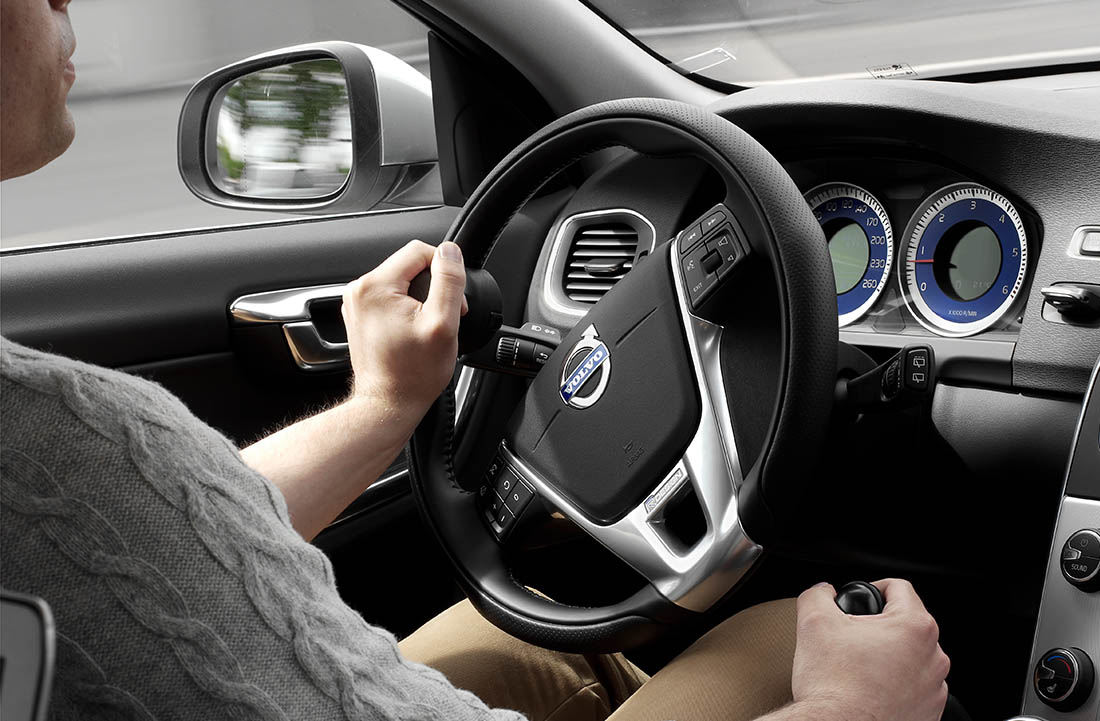
Keep Both Hands Firmly on the Steering Wheel
Maintaining proper steering grip ensures better control during unexpected situations. Removing one hand reduces the ability to respond quickly.
Proper steering control supports:
- Faster directional correction
- Improved lane stability
- Reduced risk of oversteering
- Safer obstacle avoidance maneuvering
Consistent grip increases vehicle stability.
Scan the Road Ahead Continuously
Active road observation helps drivers detect hazards earlier before they become immediate threats.
Drivers should regularly:
- Monitor vehicles ahead
- Observe roadside movement
- Watch pedestrian crossings
- Check mirrors frequently
Early detection increases reaction time.
Avoid Sudden Lane Changes Unless Necessary
Changing lanes quickly without checking surroundings may create additional danger. Drivers should only shift lanes if a clear and safe path exists.
Safe lane decisions include:
- Checking mirrors before turning
- Observing blind spots carefully
- Signaling intentions clearly
- Confirming space availability
Thoughtful lane changes reduce collision risk.
Adjust Speed According to Road Conditions
Driving at appropriate speeds allows more time to respond when obstacles appear suddenly.
Speed adjustment is especially important during:
- Rainy weather conditions
- Night driving situations
- Heavy traffic environments
- Narrow or unfamiliar roads
Lower speeds improve reaction effectiveness.
Use Horn and Headlights When Needed
Alerting nearby drivers and pedestrians can help prevent collisions when unexpected obstacles appear.
Proper signaling helps:
- Warn pedestrians crossing suddenly
- Inform nearby drivers of danger
- Improve visibility during low light conditions
- Communicate emergency awareness quickly
Timely alerts improve safety for everyone on the road.
Practice Defensive Driving Techniques Regularly
Defensive driving prepares drivers to anticipate potential hazards before they become immediate threats.
Defensive habits include:
- Staying alert to surroundings
- Predicting traffic behavior patterns
- Avoiding aggressive driving responses
- Maintaining safe stopping distance
Prepared drivers respond more effectively during emergencies.
Ensure Tires and Brakes Are Properly Maintained
Vehicle condition plays an important role in emergency handling capability. Well maintained tires and brakes improve stopping performance and steering stability.
Regular maintenance supports:
- Strong braking response
- Better tire traction
- Shorter stopping distance
- Improved vehicle balance
Reliable components increase safety during unexpected situations.
Frequently Asked Questions
What is the first action to take when a sudden obstacle appears ahead
The safest first action is controlled braking while maintaining steering stability and observing surrounding traffic conditions.
Is it safer to brake or swerve when avoiding obstacles
In most situations controlled braking is safer than sudden swerving unless there is a clearly visible safe escape path.
How does speed affect reaction time during emergencies
Higher speeds reduce available reaction time and increase stopping distance which makes obstacle avoidance more difficult.
Can proper tire condition improve emergency handling performance
Yes good tire tread depth improves grip which helps maintain control during sudden braking or steering adjustments.
Should drivers always change lanes to avoid obstacles
Lane changes should only be made when surrounding traffic conditions allow safe movement without creating additional risk.
Does keeping both hands on the steering wheel improve response control
Maintaining both hands on the steering wheel allows faster and more accurate directional adjustments during emergencies.
How does defensive driving help handle unexpected road hazards
Defensive driving improves awareness and anticipation skills which help drivers recognize potential obstacles earlier and respond safely.