

Your car’s battery works year-round, but changing weather conditions place different demands on it throughout the year. Temperature extremes, humidity, and driving habits all affect battery performance and lifespan. Practicing seasonal battery maintenance helps prevent unexpected failures and ensures reliable starts no matter the weather.
Why Seasonal Battery Care Matters
A vehicle battery is sensitive to temperature changes. Heat accelerates internal chemical reactions, while cold slows them down. Without proper care, these fluctuations can shorten battery life significantly.
Seasonal maintenance helps:
- Maintain consistent starting power
- Prevent corrosion and connection issues
- Extend overall battery lifespan
Small, routine checks make a big difference over time.
Spring Battery Maintenance Tips
Spring is an ideal time to assess battery health after winter stress. Cold weather often drains battery capacity and reveals hidden weaknesses.
Spring maintenance steps include:
- Inspecting terminals for corrosion
- Cleaning dirt and residue from the battery case
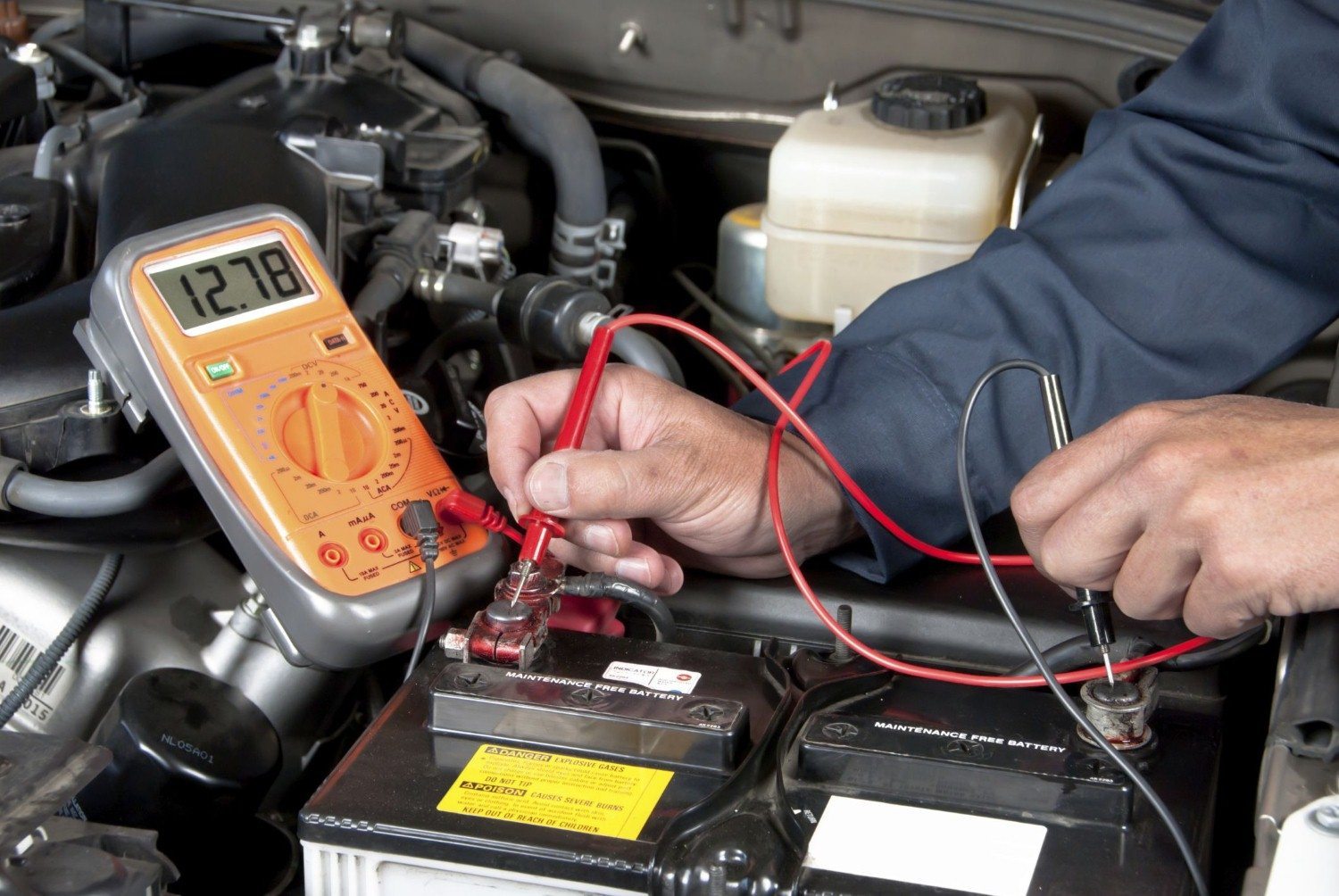
- Testing battery voltage and charging capacity
Addressing issues early prepares the battery for warmer months ahead.
Summer Battery Maintenance Tips
Heat is one of the leading causes of battery failure. High temperatures can evaporate battery fluid and damage internal components.
How to Protect Your Battery in Summer
- Park in shaded areas when possible
- Ensure the battery is securely mounted
- Check fluid levels in serviceable batteries
Reducing heat exposure helps slow internal wear and prolong battery life.
Fall Battery Maintenance Tips
Fall is a critical transition period before colder temperatures arrive. Batteries that perform fine in warm weather may struggle once temperatures drop.
Fall preparation should include:
- Load testing to assess cold-start capability
- Inspecting charging system performance
- Tightening terminal connections
Proactive testing helps avoid cold-weather starting issues.
Winter Battery Maintenance Tips
Cold weather significantly reduces battery efficiency. Engines require more power to start, while batteries produce less energy.
Winter Battery Care Essentials
- Keep terminals clean and corrosion-free
- Limit short trips that don’t allow full recharging
- Turn off accessories before starting the engine
Strong connections and proper charging are crucial during winter months.
Check the Charging System Year-Round
A healthy battery depends on a properly functioning charging system. Alternator issues can shorten battery life quickly.
Regular checks should confirm:
- Correct alternator output
- Secure belts and wiring
- Stable voltage levels while driving
Catching charging issues early prevents repeated battery replacements.
Monitor Battery Age and Performance
Even well-maintained batteries have a limited lifespan. Most last between three and five years under normal conditions.
Signs a Battery May Be Near the End
- Slow engine cranking
- Frequent jump-starts
- Dimming lights or electrical issues
Tracking battery age helps drivers plan replacements before failure occurs.
Benefits of Consistent Battery Maintenance
Routine care across all seasons improves reliability and reduces stress.
Long-term benefits include:
- Fewer unexpected breakdowns
- Longer battery service life
- Reduced strain on the starter and alternator
Preventive maintenance costs far less than emergency replacements.
FAQs
How often should I have my car battery tested?
Testing once or twice a year is ideal, especially before summer and winter.
Does extreme heat damage batteries more than cold?
Yes. Heat accelerates internal degradation, even though cold reveals failures.
Can corrosion alone prevent my car from starting?
Yes. Corroded terminals can block electrical flow even if the battery is strong.
Is it bad to leave my car unused for long periods?
Yes. Inactivity can cause battery discharge and reduce lifespan.
Do short trips affect battery health?
Frequent short trips may not allow enough time for full recharging.
Should I replace my battery before winter as a precaution?
If the battery is old or weak, replacing it early can prevent cold-weather failures.
Can a weak battery damage other electrical components?
Yes. Low voltage can strain the starter, alternator, and electronic systems.