

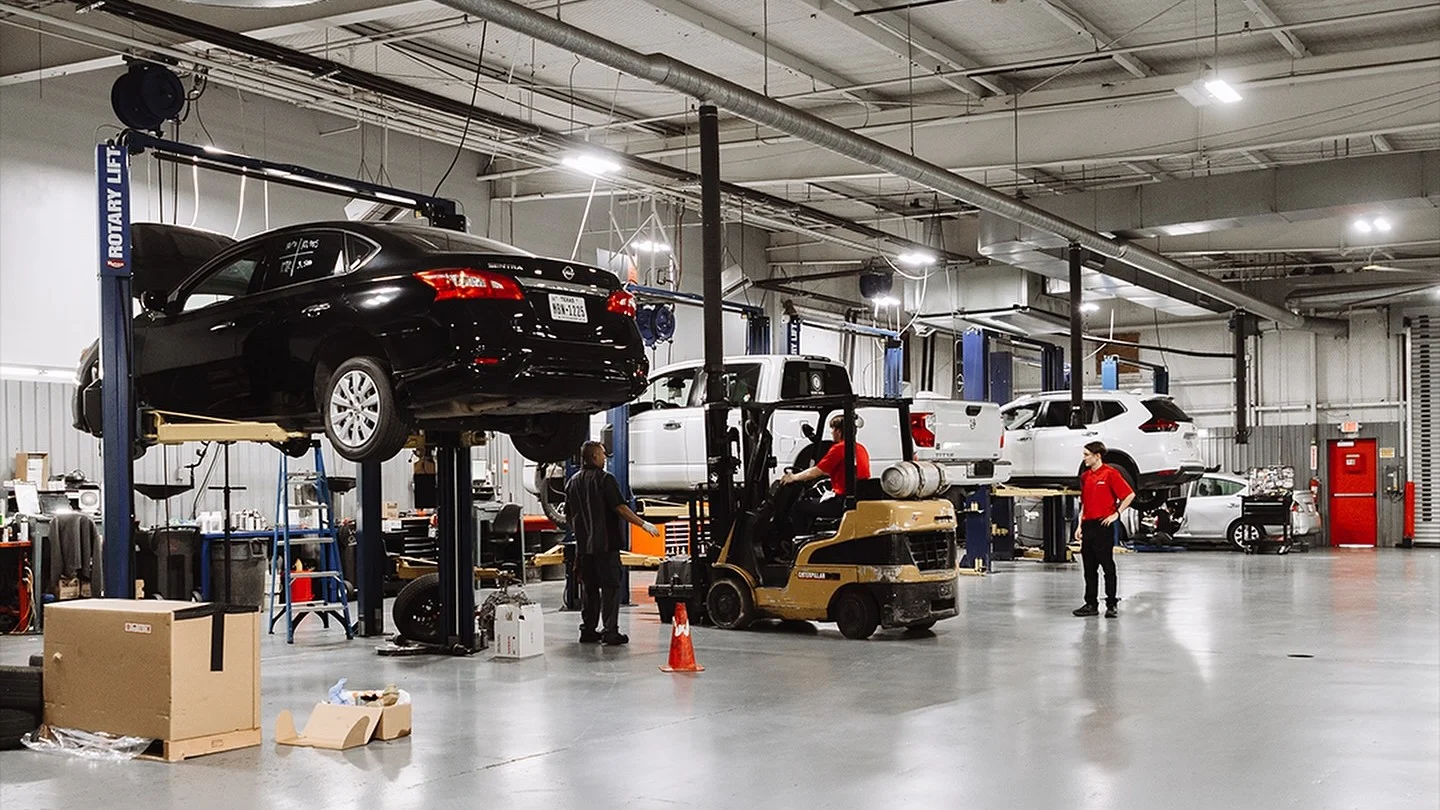
Maintaining a vehicle properly is essential for ensuring long-term reliability, performance, and safety. One of the most effective ways to extend a vehicle’s lifespan is by relying on dealership service centers, which provide specialized maintenance tailored to specific vehicle models and manufacturer standards.
Unlike general repair workshops, dealership service centers follow structured inspection protocols, use approved components, and employ trained technicians who understand the engineering behind each vehicle. These advantages help vehicles remain efficient and dependable for many years.
What Is a Dealership Service Center
A dealership service center is an authorized facility operated by or affiliated with an automobile manufacturer’s dealership. These centers are designed to maintain and repair vehicles according to factory-recommended procedures.
They typically offer:
- Scheduled maintenance services
- Warranty repairs
- Software diagnostics and updates
- Genuine spare parts replacement
- Technical inspections and performance checks
Their specialized environment ensures vehicles receive manufacturer-aligned care throughout their lifecycle.
Importance of Regular Maintenance for Vehicle Longevity
Regular servicing is the foundation of a long-lasting vehicle. Routine inspections help detect small issues before they develop into expensive mechanical failures.
Key benefits of consistent maintenance include:
- Improved engine performance
- Reduced wear on critical components
- Better fuel efficiency
- Enhanced driving safety
- Increased resale value
Dealership service centers follow structured service intervals that support these outcomes effectively.
Use of Genuine Spare Parts Enhances Durability
One major advantage of dealership service centers is their commitment to original spare parts. Genuine components are engineered specifically for compatibility with each vehicle model.
Benefits of genuine parts include:
- Accurate fit and performance reliability
- Longer operational life compared to substitutes
- Protection of engine and transmission systems
- Preservation of manufacturer warranty coverage
Using approved components prevents unnecessary strain on vehicle systems and supports consistent performance over time.
Skilled Technicians Provide Accurate Diagnostics
Dealership technicians receive specialized training from manufacturers and stay updated with the latest automotive technologies.
Their expertise helps ensure:
- Precise fault detection
- Correct repair procedures
- Efficient troubleshooting
- Reduced chances of repeat issues
Modern vehicles contain advanced electronic systems that require professional diagnostic tools available mainly at authorized service centers.
Advanced Diagnostic Equipment Prevents Major Failures
Dealership service centers use manufacturer-approved diagnostic equipment to evaluate vehicle performance accurately.
These tools help detect:
- Engine irregularities
- Electrical system faults
- Sensor malfunctions
- Transmission issues
- Software-related performance problems
Early detection reduces repair costs and prevents long-term mechanical damage.
Warranty Protection Supports Long-Term Reliability
Servicing vehicles at dealership service centers helps maintain warranty eligibility. Many manufacturers require periodic servicing at authorized facilities to keep warranty coverage valid.
Warranty-backed repairs provide:
- Cost savings on major replacements
- Assurance of approved repair standards
- Confidence in vehicle reliability
This protection plays a key role in extending the vehicle’s usable life.
Software Updates Improve Vehicle Performance
Modern vehicles depend heavily on electronic control systems. Dealership service centers regularly install manufacturer-issued software updates that optimize vehicle performance.
These updates may improve:
- Engine efficiency
- Transmission response
- Safety system accuracy
- Fuel economy
- Infotainment functionality
Keeping software current ensures the vehicle operates at its intended performance level.
Preventive Inspections Reduce Unexpected Breakdowns
Routine preventive inspections identify early warning signs of wear or malfunction before they escalate.
Typical inspection areas include:
- Brake systems
- Suspension components
- Battery condition
- Cooling systems
- Fluid levels and filters
Addressing minor issues early helps avoid sudden breakdowns and extends the vehicle’s service life.
Service Records Increase Resale Value
Maintaining service history at a dealership service center improves buyer confidence when selling a vehicle later.
A documented service record demonstrates:
- Responsible ownership
- Regular maintenance compliance
- Genuine part replacements
- Verified repair authenticity
Vehicles with complete dealership service records often retain stronger resale value in the market.
Customized Maintenance Plans Improve Ownership Experience
Dealership service centers offer structured maintenance packages designed for specific driving conditions and vehicle usage patterns.
These plans help:
- Optimize maintenance schedules
- Reduce unexpected expenses
- Improve fuel efficiency consistency
- Maintain vehicle reliability across seasons
Such personalized care contributes directly to extended vehicle lifespan.
Frequently Asked Questions
How often should a vehicle be serviced at a dealership service center
Most vehicles require servicing every six months or after a specific mileage interval recommended by the manufacturer.
Are dealership service centers more reliable than independent workshops
Dealership service centers follow manufacturer guidelines and use specialized tools, which often ensures higher accuracy in maintenance and repairs.
Do dealership service centers handle electrical system repairs
Yes, they are equipped with advanced diagnostic systems designed to identify and repair electronic and sensor-related issues.
Can regular servicing improve engine life significantly
Routine servicing helps maintain lubrication quality, cooling efficiency, and component alignment, all of which support longer engine performance.
Is it necessary to service older vehicles at dealership centers
Older vehicles can still benefit from dealership servicing, especially when genuine parts and specialized diagnostics are required.
Do dealership service centers provide maintenance reminders
Many dealerships offer digital reminders and scheduled alerts to help owners stay on track with service timelines.
Can dealership servicing reduce long-term maintenance costs
Preventive maintenance and early detection of problems often reduce expensive repairs in the future and improve vehicle reliability over time