

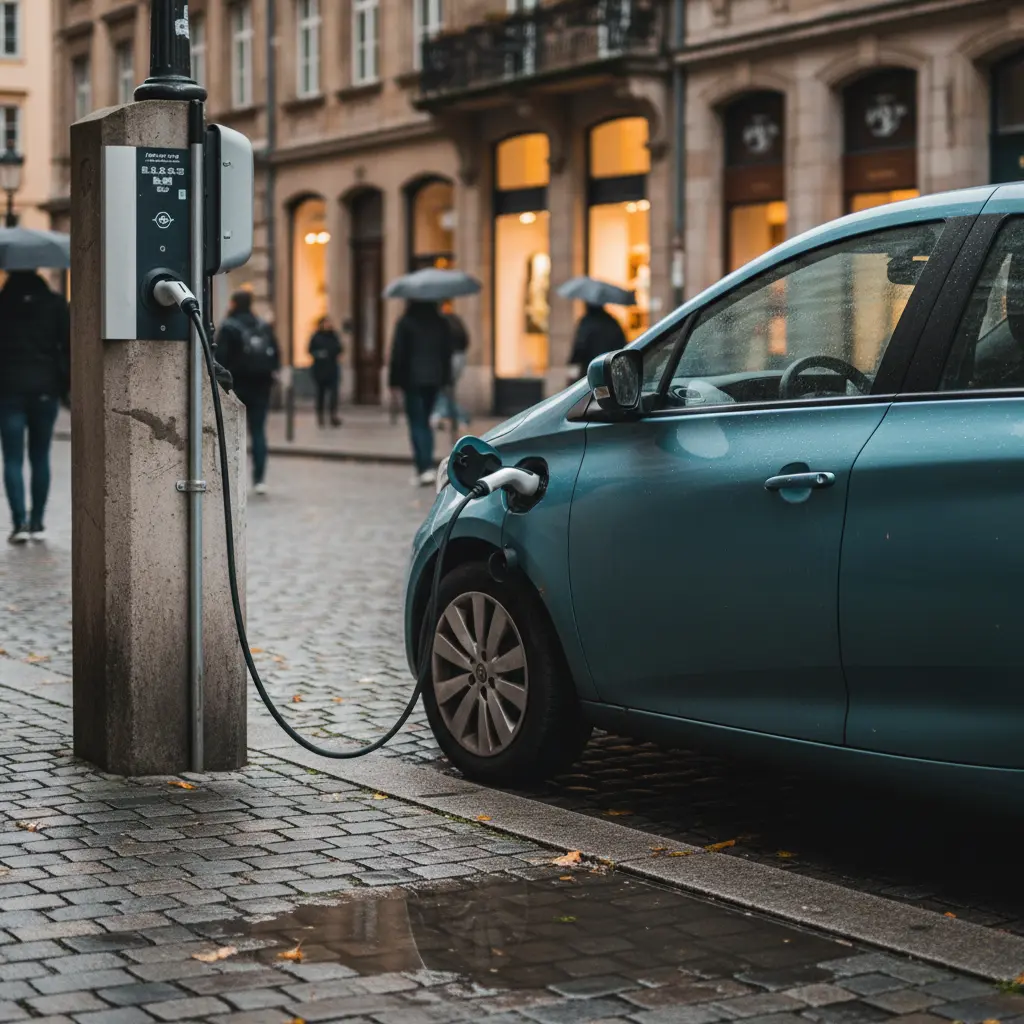
Electric cars are no longer niche products reserved for early adopters. They are transforming how vehicles are designed, manufactured, sold, and maintained across the world. As governments promote cleaner transport and consumers seek lower operating costs, electric vehicles (EVs) are steadily redefining the structure of the automotive industry.
This shift is influencing everything from factory operations to fuel infrastructure and even how drivers think about mobility itself.
The Transition from Fuel Engines to Electric Powertrains
Traditional vehicles rely on internal combustion engines (ICE) powered by petrol or diesel. Electric cars replace these systems with battery packs and electric motors, simplifying mechanical complexity.
Key structural changes include:
- Fewer moving engine parts
- No exhaust systems
- No fuel injection components
- Reduced lubrication requirements
This transformation is forcing manufacturers to redesign vehicle platforms from the ground up.
Driving Innovation in Battery Technology 🔋
Battery development is at the heart of the electric vehicle revolution. Automakers are investing heavily to improve performance and affordability.
Major improvements include:
- Longer driving range per charge
- Faster charging capabilities
- Better thermal management systems
- Increased battery durability
Advances in battery chemistry are making electric vehicles practical for everyday use across urban and highway conditions.
Changing the Global Manufacturing Landscape
Electric cars require different production strategies compared to conventional vehicles.
Manufacturers are adapting by:
- Building dedicated EV assembly plants
- Redesigning supply chains
- Partnering with battery producers
- Investing in automation and digital manufacturing
As a result, the automotive sector is becoming more technology-focused than ever before.
Expanding Charging Infrastructure Networks ⚡
A reliable charging ecosystem is essential for widespread EV adoption.
Governments and private companies are rapidly installing:
- Public fast-charging stations
- Highway charging corridors
- Residential charging solutions
- Workplace charging facilities
This infrastructure growth is making electric mobility increasingly practical for daily commuters and long-distance drivers.
Reducing Environmental Impact
Electric cars contribute to cleaner transportation by lowering tailpipe emissions.
Environmental advantages include:
- Zero exhaust emissions during driving
- Reduced urban air pollution
- Lower dependence on fossil fuels
- Support for renewable energy integration
As electricity grids shift toward cleaner energy sources, the environmental benefits of EVs continue to grow.
Transforming Vehicle Ownership Costs 💰
Although electric vehicles can have higher purchase prices initially, their running costs are typically lower.
Savings come from:
- Reduced fuel expenses
- Fewer maintenance requirements
- Longer brake life due to regenerative braking
- Fewer engine-related repairs
Over time, these benefits make EV ownership financially attractive for many drivers.
Creating New Job Roles and Skills
The shift toward electric mobility is changing workforce requirements within the automotive industry.
Emerging opportunities include:
- Battery engineering specialists
- Charging infrastructure technicians
- Software system developers
- Electric drivetrain service experts
At the same time, traditional engine-related roles are gradually evolving or declining.
Accelerating Software Integration in Vehicles 🧠
Electric vehicles rely heavily on digital systems for performance management.
Modern EV features often include:
- Smart energy monitoring
- Over-the-air software updates
- Advanced driver assistance systems
- Intelligent navigation linked to charging stations
Software is becoming just as important as mechanical engineering in vehicle development.
Encouraging New Business Models in Mobility
Electric vehicles are supporting innovative transportation approaches.
Examples include:
- Subscription-based vehicle ownership
- Battery leasing programs
- Ride-sharing electric fleets
- Corporate sustainability vehicle adoption
These models are reshaping how people access and use transportation services.
Strengthening Government Policy and Industry Collaboration
Governments worldwide are supporting EV adoption through regulations and incentives.
Common initiatives include:
- Tax benefits for EV buyers
- Investment in charging infrastructure
- Emission reduction targets
- Support for local battery manufacturing
Such policies are accelerating the transition toward cleaner mobility systems.
FAQ: Electric Cars and Industry Transformation
1. Why are automakers investing heavily in electric vehicles right now?
Rising environmental regulations, fuel efficiency standards, and consumer demand for cleaner mobility are pushing manufacturers to prioritize EV development.
2. Do electric cars require different servicing compared to traditional vehicles?
Yes, they typically need less mechanical servicing but require specialized diagnostics for battery and software systems.
3. How are electric vehicles influencing fuel industries?
They are gradually reducing long-term dependence on petrol and diesel while encouraging investment in electricity-based mobility infrastructure.
4. Are electric cars suitable for long-distance travel?
Yes, expanding fast-charging networks and improving battery range are making long-distance EV travel increasingly practical.
5. How are suppliers adapting to electric vehicle production?
Many suppliers are shifting from engine components to battery modules, electronics, and lightweight materials.
6. Will electric vehicles replace traditional cars completely?
The transition is gradual. Both vehicle types may coexist for years while infrastructure and technology continue evolving.
7. How do electric vehicles influence urban transportation planning?
Cities are redesigning parking systems, charging access, and traffic policies to support cleaner and quieter electric mobility.