

A car battery is the silent powerhouse behind every smooth start. Whether you drive daily through city traffic or keep your vehicle parked for extended periods, proper battery care can significantly extend its lifespan. With a few practical habits and timely inspections, you can avoid unexpected breakdowns and expensive replacements.
This guide explains simple yet effective ways to maintain your car battery so it performs reliably for years.
Why Car Battery Maintenance Matters ⚙️
Many drivers ignore their battery until the vehicle refuses to start. However, preventive care helps:
- Extend battery life by 1–2 extra years
- Reduce sudden starting failures
- Improve fuel efficiency slightly
- Protect electrical components
- Save money on early replacement
Most modern car batteries last 3–5 years, but proper maintenance can push performance beyond that range.
Keep Battery Terminals Clean
Corrosion around battery terminals is one of the most common causes of poor battery performance.
How to clean terminals safely
Follow these steps:
- Switch off the engine
- Disconnect the negative terminal first
- Use a soft brush with baking soda solution
- Remove white or bluish deposits
- Dry the terminals completely
- Reconnect positive terminal first
Clean terminals ensure strong electrical flow and better starting reliability.
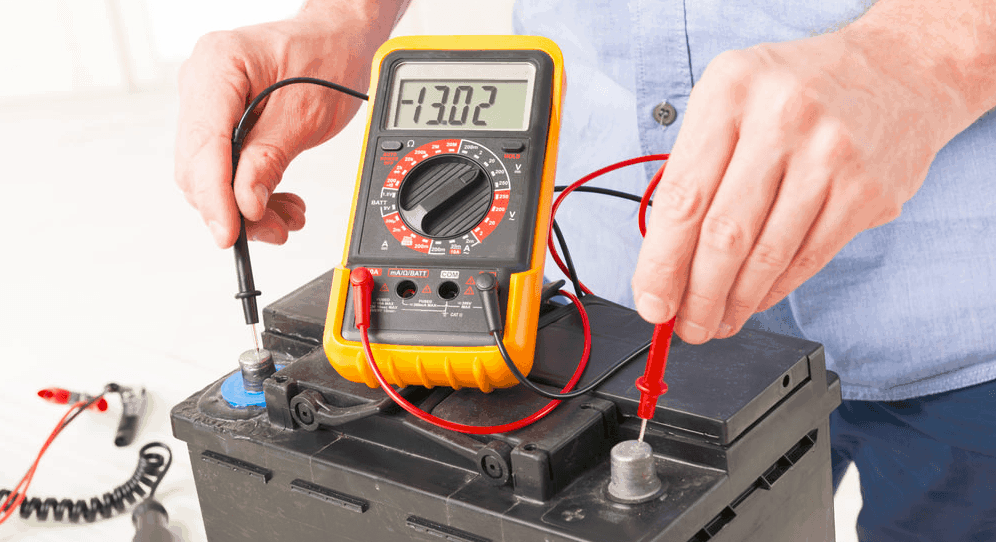
Check Battery Voltage Regularly 🔌
Monitoring voltage helps identify problems early.
Healthy battery voltage ranges:
- Engine off: 12.4V–12.7V
- Engine running: 13.7V–14.7V
If voltage drops below recommended levels frequently, the battery may be weakening.
You can test voltage using:
- Digital multimeter
- Dashboard diagnostic system (in newer vehicles)
- Service station battery tester
Regular checks prevent sudden roadside issues.
Drive Your Car Frequently
Short trips slowly drain battery charge because the alternator doesn’t get enough time to recharge it fully.
To maintain proper charging:
- Drive at least 20–30 minutes weekly
- Avoid repeated short-distance starts
- Take occasional longer drives when possible
Consistent driving keeps the battery active and healthy.
Avoid Leaving Electronics On 🚨
Leaving accessories running when the engine is off can quickly drain battery power.
Common battery drain sources include:
- Interior lights
- Headlights
- Charging ports
- Music systems
- Dash cameras
Always double-check electronics before exiting your vehicle.
Protect the Battery from Extreme Temperatures
Both hot and cold weather affect battery efficiency.
During summer
Heat speeds up internal chemical reactions and evaporates battery fluid.
Helpful tips:
- Park in shaded areas
- Use engine insulation if available
- Check electrolyte levels (for non-sealed batteries)
During winter ❄️
Cold weather slows battery performance.
To prevent issues:
- Warm up the vehicle briefly before driving
- Keep battery fully charged
- Inspect connections more often
Temperature protection increases battery durability.
Secure the Battery Properly
Loose batteries vibrate while driving, damaging internal plates.
Check regularly:
- Mounting bracket tightness
- Battery tray condition
- Terminal alignment
A firmly secured battery lasts longer and performs better.
Limit Corrosion with Protective Coating
After cleaning terminals, apply protection:
Options include:
- Petroleum jelly
- Anti-corrosion spray
- Terminal protection washers
These help prevent moisture buildup and oxidation.
Test the Charging System Periodically
Sometimes the battery isn’t the problem—the alternator is.
Warning signs of charging issues:
- Dim headlights
- Slow engine crank
- Dashboard battery warning light
- Frequent jump-start requirements
Professional testing once a year helps detect hidden electrical faults early.
Replace Battery at the Right Time
Even well-maintained batteries eventually wear out.
Signs replacement is needed:
- Engine struggles to start
- Battery swelling
- Frequent voltage drops
- Dashboard warning indicators
Replacing the battery before total failure prevents inconvenience and breakdown stress.
Simple Monthly Battery Maintenance Checklist ✅
Follow this quick routine:
- Inspect terminals for corrosion
- Check mounting stability
- Monitor voltage levels
- Clean dirt around battery case
- Ensure accessories are switched off
Five minutes each month can extend battery life significantly.
FAQ: Car Battery Maintenance
1. How often should I check my car battery health?
Ideally, inspect your battery once every month and perform a detailed voltage test every 3–4 months.
2. Can a car battery recharge itself while idling?
Yes, but idling charges slowly. Driving at moderate speed for at least 20 minutes is more effective.
3. Does frequent short-distance driving damage the battery?
Yes. Short trips prevent full charging and gradually weaken battery performance over time.
4. Is it safe to clean battery terminals at home?
Yes, as long as the engine is off and you disconnect the negative terminal first for safety.
5. How long can a car battery last without driving the vehicle?
Most batteries can hold charge for about 2–4 weeks, depending on condition and climate.
6. Can extreme heat reduce battery life faster than cold weather?
Yes. High temperatures accelerate chemical wear inside the battery and shorten lifespan more quickly.
7. Should I disconnect the battery if the car is unused for a long time?
Yes. Disconnecting the negative terminal helps prevent slow power drain during long parking periods.