

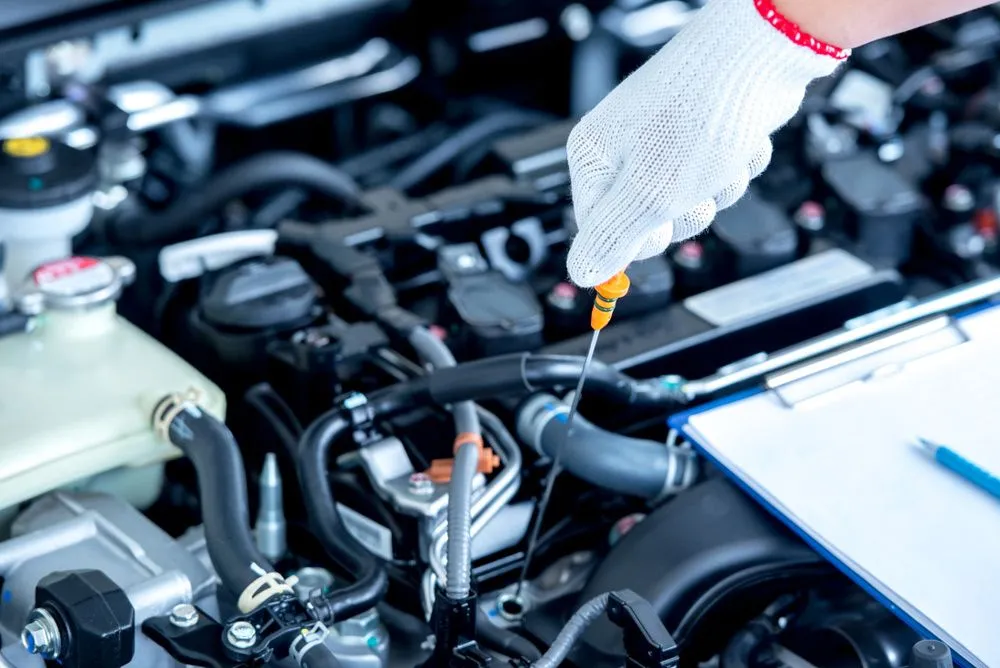
Fuel efficiency plays a major role in reducing running costs and maintaining overall vehicle performance. Regular car service helps vehicles operate smoothly by ensuring that critical components function correctly and efficiently. When maintenance is performed on schedule, engines consume less fuel, mechanical strain decreases, and driving performance improves.
Understanding how routine servicing affects fuel consumption allows vehicle owners to make better maintenance decisions and maximize long-term savings.
Why Fuel Efficiency Depends on Regular Car Service
Vehicles rely on several interconnected systems to maintain optimal fuel usage. When even one component underperforms, the engine must work harder and consume more fuel.
Routine servicing ensures:
- Smooth engine operation
- Proper air and fuel mixture balance
- Reduced friction between moving parts
- Accurate sensor performance
- Stable combustion efficiency
Together, these improvements directly contribute to better mileage.
Engine Oil Replacement Reduces Internal Friction
Engine oil lubricates moving parts inside the engine and prevents excessive friction. Over time, oil loses its viscosity and becomes contaminated with debris.
Replacing engine oil during servicing helps:
- Improve engine responsiveness
- Reduce resistance between components
- Maintain proper lubrication
- Support smoother combustion cycles
Efficient lubrication allows the engine to operate with less effort and lower fuel consumption.
Clean Air Filters Improve Combustion Efficiency
Air filters ensure that only clean air enters the engine. When filters become clogged, airflow decreases and combustion efficiency drops.
Replacing air filters during service helps:
- Maintain correct air and fuel mixture
- Improve engine breathing performance
- Reduce fuel wastage
- Support smoother acceleration
Better airflow leads to improved fuel economy and consistent driving performance.
Proper Tire Pressure Reduces Rolling Resistance
Incorrect tire pressure increases rolling resistance and forces the engine to consume more fuel.
Maintaining recommended tire pressure helps:
- Improve mileage performance
- Enhance driving stability
- Reduce tire wear
- Support smoother vehicle movement
Routine servicing ensures tires remain properly inflated and aligned for efficient driving.
Fuel System Cleaning Enhances Engine Performance
Over time, fuel injectors and fuel lines accumulate deposits that affect combustion quality.
Cleaning the fuel system during servicing helps:
- Restore injector spray efficiency
- Improve throttle response
- Reduce incomplete combustion
- Maintain consistent engine power output
These improvements directly contribute to lower fuel consumption.
Spark Plug Inspection Supports Efficient Ignition
Spark plugs ignite the air and fuel mixture inside the engine. Worn spark plugs lead to incomplete combustion and increased fuel usage.
Replacing spark plugs during service helps:
- Improve ignition timing accuracy
- Enhance combustion efficiency
- Reduce engine misfires
- Maintain smooth engine operation
Proper ignition ensures the engine uses fuel effectively.
Wheel Alignment Improves Driving Efficiency
Incorrect wheel alignment increases resistance between tires and the road surface.
Correct alignment helps:
- Improve vehicle stability
- Reduce unnecessary drag
- Maintain tire balance
- Support smoother steering control
This reduces engine workload and improves mileage performance.
Sensor Calibration Maintains Accurate Fuel Delivery
Modern vehicles depend on electronic sensors to regulate fuel injection and combustion timing.
Servicing ensures proper calibration of:
- Oxygen sensors
- Mass airflow sensors
- Engine control systems
- Temperature sensors
Accurate sensor readings help maintain the correct fuel mixture and improve efficiency.
Clean Filters Support Smooth Engine Operation
Fuel filters and cabin filters play an important role in maintaining vehicle efficiency.
Replacing filters during servicing helps:
- Prevent contaminants from entering engine systems
- Maintain steady fuel flow
- Improve combustion stability
- Support consistent vehicle performance
Clean filters ensure the engine operates under optimal conditions.
Driving Safety Checks Support Consistent Mileage
Routine safety inspections identify hidden issues that may increase fuel consumption over time.
These inspections typically include:
- Brake system checks
- Suspension inspection
- Battery performance evaluation
- Cooling system monitoring
Properly functioning systems allow the vehicle to operate efficiently and consume less fuel.
Frequently Asked Questions
How often should car servicing be done to maintain fuel efficiency
Most vehicles require servicing every six months or after reaching manufacturer recommended mileage intervals depending on driving conditions.
Does replacing engine oil really improve fuel economy
Fresh engine oil reduces friction inside the engine which helps improve overall performance and supports better mileage.
Can dirty air filters increase fuel consumption significantly
Yes restricted airflow forces the engine to burn more fuel to maintain performance which reduces efficiency.
Is wheel alignment important for improving mileage
Correct wheel alignment reduces rolling resistance and helps the vehicle move smoothly with less fuel usage.
Do electronic sensors affect fuel efficiency in modern vehicles
Sensors control fuel injection timing and air mixture accuracy which directly influences fuel consumption levels.
Can spark plug replacement improve vehicle mileage
Properly functioning spark plugs ensure complete combustion which helps improve engine efficiency and mileage.
Does servicing older vehicles also improve fuel efficiency
Regular servicing helps older vehicles maintain stable engine performance and reduce unnecessary fuel consumption over time