

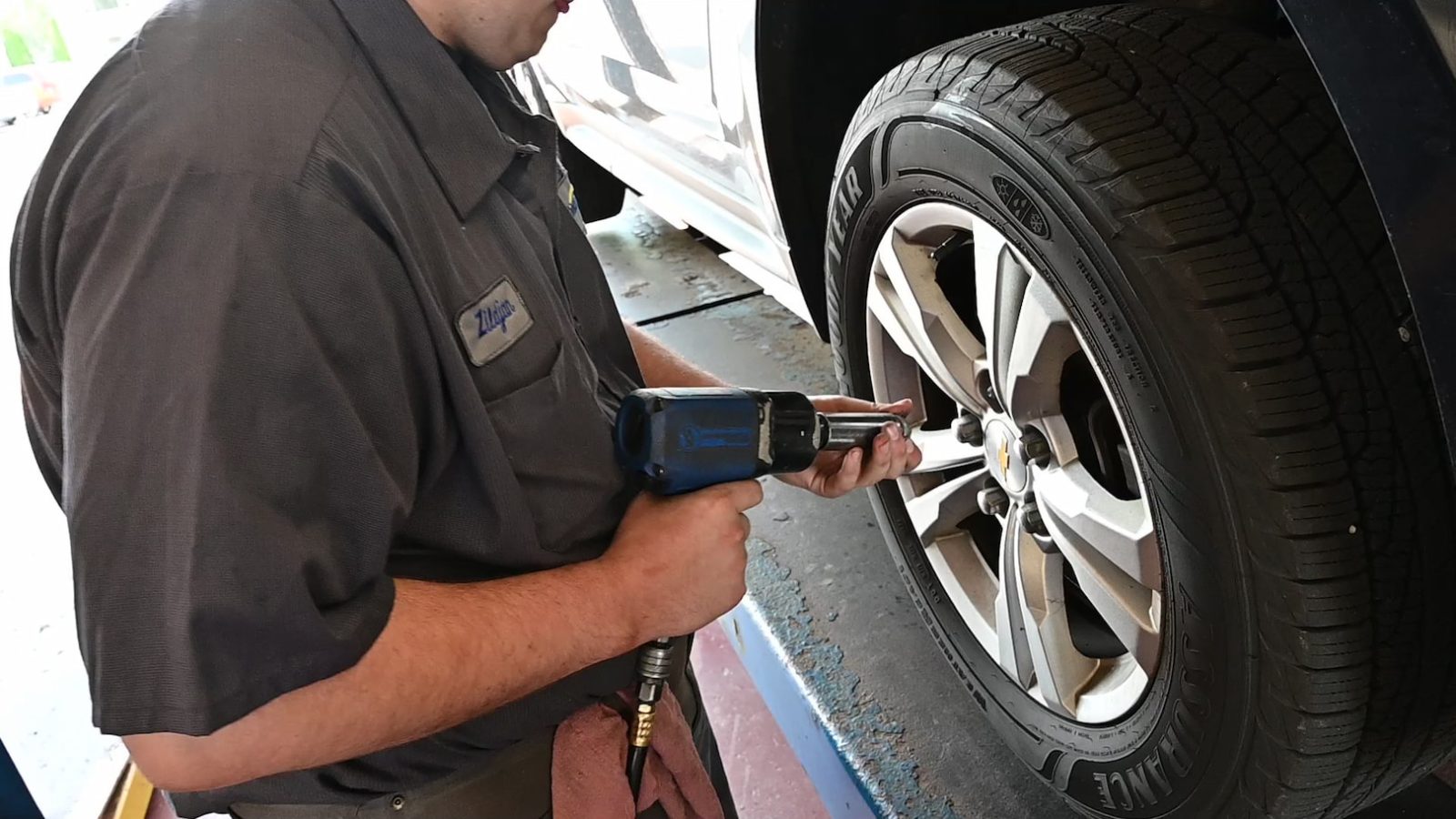
Regular tire rotation is a critical part of scheduled vehicle servicing that directly affects safety, performance, and long-term ownership costs. Many drivers overlook tire rotation, yet it plays a significant role in ensuring even tire wear and maintaining balanced vehicle handling.
Including tire rotation in routine servicing helps extend tire life, improve fuel efficiency, and enhance overall driving comfort. Understanding its importance allows vehicle owners to protect their investment and maintain reliable road performance.
What Is Tire Rotation
Tire rotation is the process of changing the position of each tire on a vehicle according to recommended rotation patterns. Since tires wear differently depending on their position, rotating them ensures balanced wear across all four wheels.
Common rotation patterns include:
- Front to rear rotation
- Cross rotation pattern
- Rearward cross rotation
- Side to side rotation for directional tires
The correct pattern depends on vehicle type, drivetrain configuration, and tire design.
Why Tires Wear Unevenly Over Time
Different tires perform different tasks depending on their position on the vehicle. This leads to uneven wear if rotation is not performed regularly.
Factors that influence uneven tire wear include:
- Steering pressure on front wheels
- Weight distribution differences
- Braking force concentration
- Road surface conditions
- Driving habits and turning frequency
Rotating tires redistributes wear evenly and preserves tire integrity.
Tire Rotation Extends Tire Lifespan
One of the most important benefits of tire rotation is extending tire usability. When tires wear evenly, they maintain proper traction and structural strength for a longer period.
Regular rotation helps:
- Prevent premature tire replacement
- Maintain balanced tread depth
- Improve road grip consistency
- Protect tire sidewall structure
This reduces maintenance expenses and improves long-term value.
Tire Rotation Improves Vehicle Handling Stability
Uneven tire wear can affect steering response and overall vehicle balance. Rotating tires ensures uniform traction across all wheels.
Benefits for handling include:
- Improved steering control
- Balanced cornering performance
- Reduced vibration while driving
- Enhanced driving comfort on highways
Consistent handling improves both safety and confidence behind the wheel.
Tire Rotation Supports Better Fuel Efficiency
Uneven tire wear increases rolling resistance, which forces the engine to work harder and consume more fuel.
Proper rotation helps:
- Maintain balanced rolling resistance
- Improve vehicle movement efficiency
- Support smoother acceleration
- Reduce unnecessary engine load
These factors contribute to improved mileage over time.
Tire Rotation Reduces Risk of Sudden Tire Failure
Tires that wear unevenly are more likely to develop weak spots. These weak areas increase the risk of punctures or blowouts during driving.
Routine rotation helps:
- Identify early damage signs
- Maintain uniform tread strength
- Reduce pressure concentration areas
- Improve long distance driving safety
This preventive approach supports safer travel conditions.
Tire Rotation Helps Maintain Suspension Performance
The suspension system works closely with tires to absorb road shocks and maintain stability. Uneven tire wear can increase strain on suspension components.
Rotating tires helps:
- Reduce stress on suspension joints
- Maintain alignment stability
- Improve ride smoothness
- Support consistent braking response
Healthy interaction between tires and suspension improves overall vehicle durability.
Tire Rotation Supports Even Brake System Performance
Front tires typically experience greater braking force than rear tires. Without rotation, this imbalance affects braking consistency over time.
Rotation ensures:
- Balanced braking pressure distribution
- Stable stopping performance
- Reduced brake component wear
- Improved safety during emergency braking
Balanced tire wear contributes to predictable braking behavior.
When Tire Rotation Should Be Performed
Vehicle manufacturers usually recommend tire rotation at regular mileage intervals during scheduled servicing.
Common rotation intervals include:
- Every 5,000 to 10,000 kilometers
- During periodic servicing visits
- After seasonal driving condition changes
- When uneven tread wear becomes visible
Following recommended schedules ensures consistent tire performance.
Signs Your Vehicle Needs Immediate Tire Rotation
Recognizing early warning signs helps prevent long-term tire damage.
Common indicators include:
- Uneven tread depth between tires
- Steering vibration while driving
- Increased road noise
- Reduced handling stability
- Vehicle pulling slightly to one side
Addressing these signs early improves safety and comfort.
Frequently Asked Questions
How often should tire rotation be done during servicing
Most vehicles require tire rotation every 5,000 to 10,000 kilometers depending on driving conditions and manufacturer recommendations.
Does tire rotation apply to both front wheel and rear wheel drive vehicles
Yes tire rotation benefits all drivetrain types because each configuration creates different wear patterns across tires.
Can tire rotation improve driving comfort on rough roads
Balanced tire wear improves stability and reduces vibration which supports smoother driving on uneven surfaces.
Is tire rotation necessary if tires appear in good condition
Even when tires look fine rotation helps maintain equal tread wear and prevents hidden performance imbalance.
Does tire rotation affect wheel alignment requirements
Rotation does not replace alignment but helps maintain consistent tire wear that supports alignment accuracy.
Can tire rotation help reduce tire replacement frequency
Yes regular rotation extends tread life which delays the need for purchasing new tires.
Should tire rotation be combined with other maintenance checks
Tire rotation is often performed alongside wheel balancing pressure checks and visual inspections during scheduled servicing.