

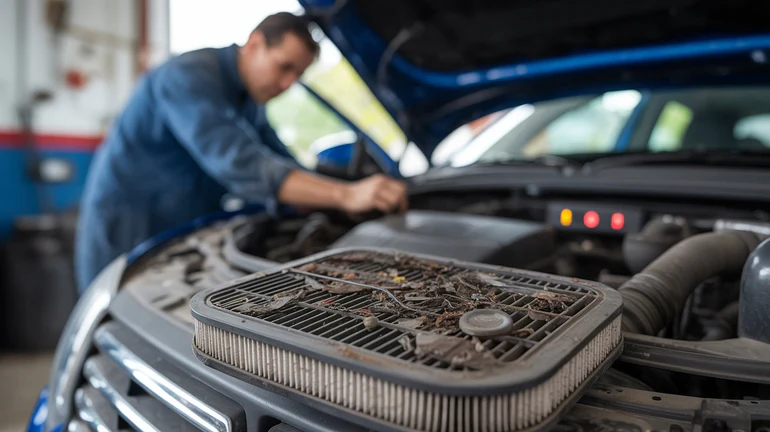
Keeping a vehicle running smoothly for years isn’t just about careful driving—it’s about choosing the right auto parts at the right time. Many car owners underestimate how much high-quality replacement components influence performance, safety, and long-term durability.
When you invest in reliable parts and follow a proactive maintenance routine, your vehicle can easily exceed its expected lifespan while maintaining efficiency and comfort.
Why the Right Auto Parts Matter for Longevity
Every component inside your vehicle works as part of a larger system. If even one part underperforms, it places additional stress on surrounding components.
Using the correct parts helps:
- Reduce engine strain
- Improve fuel efficiency
- Prevent premature wear
- Maintain safety standards
- Lower long-term repair costs
Choosing wisely today can save you from major breakdowns tomorrow.
Prioritize High-Quality Engine Components
The engine is the heart of your car. Protecting it should always be your first priority.
Key engine-related parts to monitor include:
- Engine oil filters
- Air filters
- Spark plugs
- Timing belts
- Fuel filters
Replacing these at recommended intervals ensures smoother combustion, improved airflow, and reduced friction between internal components.
A clean air filter alone can significantly improve engine efficiency and extend service life.
Use the Correct Brake System Parts for Safety and Durability 🛑
Your braking system doesn’t just protect you—it protects the entire vehicle structure.
Replacing worn brake components early prevents damage to more expensive parts such as rotors and calipers.
Important brake components to maintain:
- Brake pads
- Brake discs
- Brake fluid
- Brake lines
Reliable braking reduces stress on suspension systems and enhances driving control, especially during emergency stops.
Maintain the Cooling System with Reliable Components 🌡️
Overheating is one of the fastest ways to shorten engine life.
To keep temperature levels stable, regularly inspect:
- Radiator hoses
- Coolant reservoirs
- Thermostat
- Water pump
- Radiator cap
High-quality cooling components ensure consistent engine temperature, preventing costly internal damage.
Choose the Right Suspension Parts for Structural Protection
Suspension isn’t just about comfort—it protects your vehicle’s frame and drivetrain.
Replacing worn suspension parts helps:
- Improve steering response
- Maintain tire alignment
- Reduce uneven tire wear
- Protect chassis components
Essential suspension parts include:
- Shock absorbers
- Struts
- Control arms
- Bushings
A stable suspension system absorbs road shock and prevents stress from transferring into critical mechanical areas.
Replace Filters Regularly for Cleaner Performance
Filters act as your car’s internal protection system.
Neglecting them allows dirt, debris, and contaminants to circulate through vital components.
Important filters to replace on schedule:
- Engine air filter
- Cabin air filter
- Fuel filter
- Oil filter
Clean filters improve airflow, maintain fuel quality, and protect engine internals from premature wear.
Invest in Quality Batteries and Electrical Components 🔋
Modern vehicles depend heavily on electrical systems.
Low-quality batteries or connectors can create:
- Starting issues
- Sensor malfunctions
- Reduced fuel efficiency
- Electrical instability
Reliable electrical parts ensure consistent performance across ignition, lighting, and onboard electronics.
Select Manufacturer-Compatible Parts Whenever Possible
Not all replacement parts are equal. Using manufacturer-compatible components ensures:
- Proper fit
- Correct performance levels
- Longer service intervals
- Reduced risk of secondary damage
Compatibility helps maintain the engineering balance designed for your vehicle.
Monitor Tire Health and Replace When Needed
Tires directly affect safety, efficiency, and suspension health.
Well-maintained tires help:
- Improve fuel economy
- Reduce suspension wear
- Maintain steering accuracy
- Enhance braking performance
Check for uneven tread wear, cracks, and pressure imbalance regularly.
Follow Preventive Replacement Instead of Reactive Repairs
Waiting until a component fails often leads to expensive chain reactions across connected systems.
Preventive replacement:
- Reduces unexpected breakdowns
- Maintains consistent performance
- Saves repair costs long term
- Keeps resale value higher
A proactive maintenance mindset extends vehicle lifespan significantly.
Maintain Fluids Alongside Replacement Parts
Auto parts function best when supported by clean, properly maintained fluids.
Essential fluids include:
- Engine oil
- Transmission fluid
- Brake fluid
- Coolant
- Power steering fluid
Regular fluid inspection keeps components lubricated, cool, and protected from corrosion.
Keep Records of Part Replacements
Maintenance tracking helps you anticipate future replacements before problems arise.
Maintain records for:
- Replacement dates
- Service intervals
- Mileage at installation
- Brand and part type used
This habit improves reliability planning and supports stronger resale value later.
FAQ: Extending Vehicle Life with the Right Auto Parts
1. How often should major auto parts be replaced?
Replacement intervals depend on mileage, driving conditions, and manufacturer recommendations. However, filters typically need replacement every 10,000–15,000 km, while belts and suspension components last longer but require periodic inspection.
2. Are aftermarket parts safe for long-term vehicle use?
Yes, high-quality aftermarket parts from trusted manufacturers can perform as well as original components when properly matched to your vehicle specifications.
3. Can poor-quality auto parts reduce fuel efficiency?
Absolutely. Low-grade filters, spark plugs, and sensors often disrupt engine performance, forcing the vehicle to consume more fuel.
4. What warning signs indicate a part needs replacement soon?
Common indicators include unusual noises, vibration, dashboard warning lights, reduced mileage performance, or difficulty starting the vehicle.
5. Do genuine parts always last longer than cheaper alternatives?
Genuine parts typically match manufacturer standards precisely, which often results in longer durability and fewer compatibility issues.
6. Does regular maintenance increase resale value?
Yes. Vehicles with documented maintenance histories and timely part replacements generally attract better resale prices and buyer confidence.
7. Is preventive maintenance cheaper than emergency repairs?
Preventive replacement is almost always more cost-effective because it avoids cascading failures that damage multiple connected components at once.